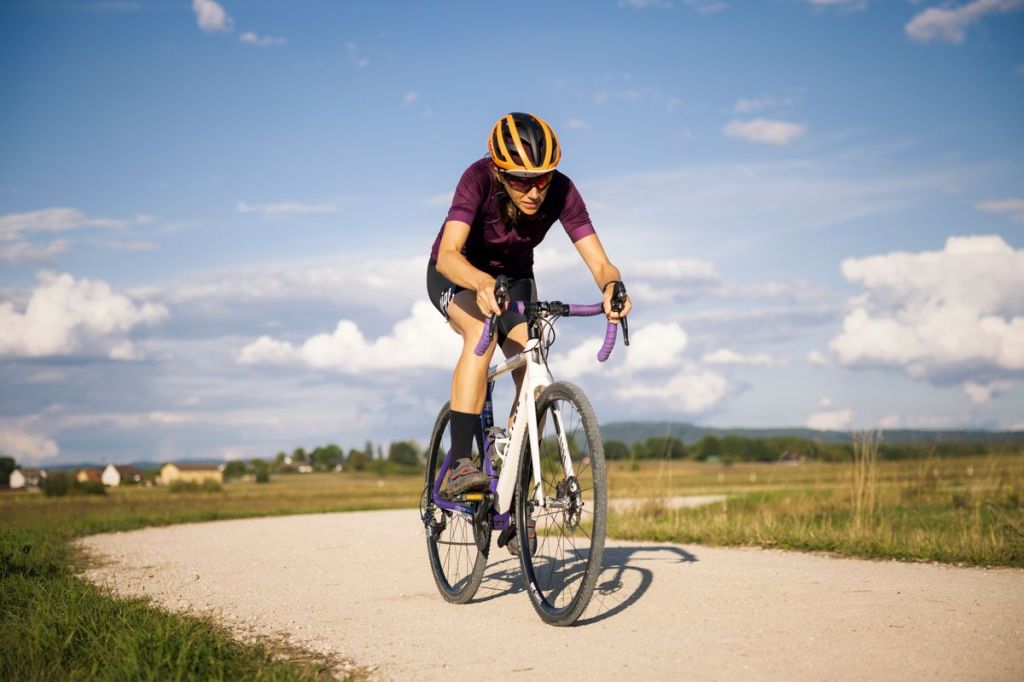
Curious about Vermont’s dirt roads? Here’s how to start gravel cycling comfortably, safely, and with a sense of adventure.
Why Gravel Riding Feels Different
A Vermont backroad can offer something hard to find on a busy highway: a slower rhythm, changing scenery, and the feeling that the journey matters as much as the destination.
Gravel cycling is not reserved for racers or riders with expensive equipment. It can be a relaxed way to explore familiar towns from a fresh perspective—provided you choose routes and conditions that match your skills.
You Don’t Need a Perfect Bike
A gravel bike is designed for mixed surfaces, but a well-maintained hybrid or mountain bike may be a perfectly good way to try an easy dirt-road route. Prioritize reliable brakes, tires appropriate for the surface, a comfortable fit, and a bike that shifts and steers predictably.
Loose stones, washboard, ruts, and wet sections can make a road feel very different from pavement. If you’re unsure about your tires or bike’s condition, have them checked before a longer outing.
Plan a Short First Ride
Begin with a manageable loop or out-and-back on public roads you can verify in advance. Look for modest hills, clear intersections, and an easy way to shorten the ride if needed. Remember that some Vermont dirt roads are steep, rough, seasonally maintained, or not suitable for casual cycling.
Use a current map and confirm that roads are legally open to public travel. Do not assume a faint track on a mapping app is a public right-of-way. Share your route and expected return time with someone, especially if riding alone.
Ride Smoothly and Respectfully
On loose surfaces, keep your movements relaxed, look ahead, and brake gradually rather than grabbing the brakes suddenly. Slow down before sharp turns and give yourself extra room on descents.
Cars, farm equipment, dogs, and changing road surfaces are all reasons to stay alert. Ride predictably, follow traffic laws, yield appropriately, and respect residents and private property. Avoid riding soft roads when your tires would leave deep ruts.
What to Bring
A helmet, water, a snack, weather-appropriate layers, lights when visibility calls for them, and a charged phone are sensible basics. Carry a spare tube or repair kit, a pump, and a simple multitool if you know how to use them.
Vermont weather can change quickly, and cell service may be limited on rural roads. A little preparation makes it easier to enjoy the scenery rather than worry about the next mechanical problem.
Let Curiosity Set the Pace
For your first few rides, forget speed and distance goals. Stop at the scenic overlook. Take the photo. Turn around if the road becomes more technical than expected.
The best gravel ride is the one that leaves you eager to explore another backroad next weekend.


Leave a Reply